Following Eligibility Threads for Bonuses in Multi-Device Live Dealer Environments Under Varying Regional Compliance Rules
Written by Clara Long · Sep 22, 2026
Following Eligibility Threads for Bonuses in Multi-Device Live Dealer Environments Under Varying Regional Compliance Rules
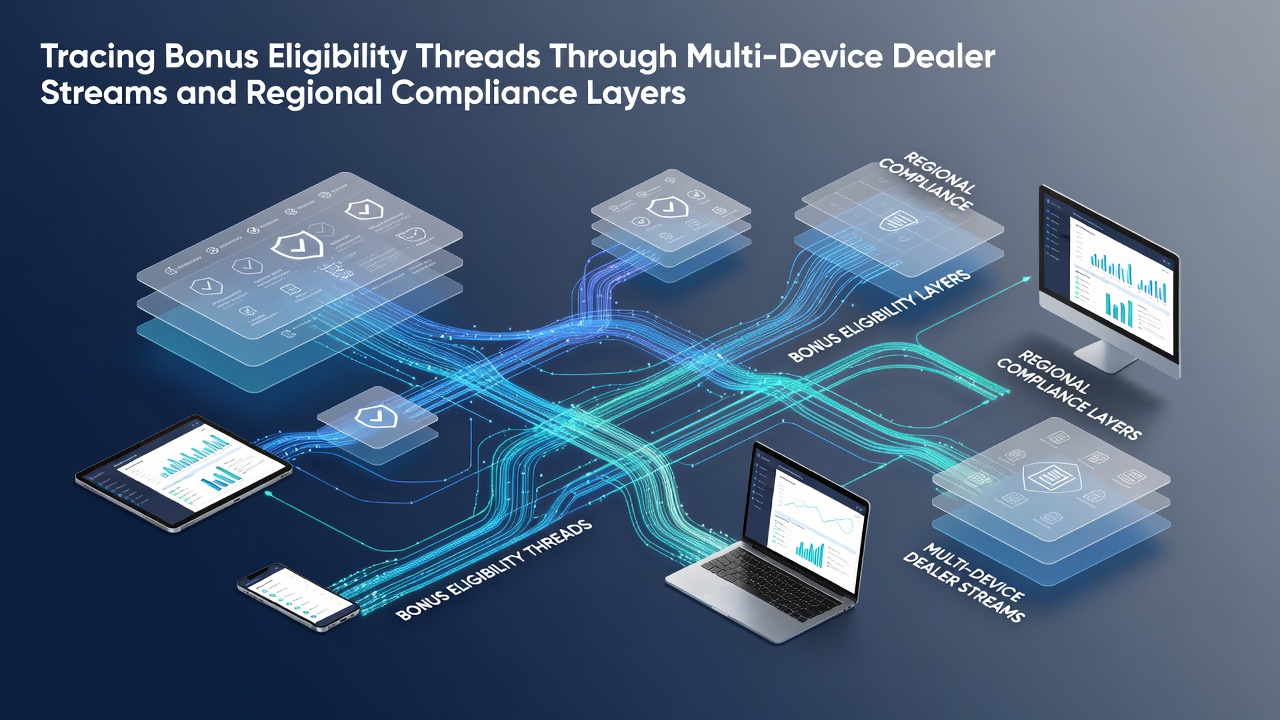
Systems that manage live dealer streams now operate across phones, tablets, and desktop units where bonus eligibility must stay consistent even as players switch devices mid-session, and regional rules add layers that dictate when and how those bonuses activate. Data from platform operators shows that verification protocols pull player location, account status, and stream synchronization points into a single thread so eligibility flags update in real time without breaking the live table feed.
Device Switching and Stream Continuity
Live dealer software records each device handshake with encrypted tokens that carry bonus status forward, which means a player who starts on a phone and moves to a tablet keeps the same eligibility markers because teh backend matches session IDs rather than hardware signatures alone. Research from industry engineering teams indicates that stream buffers hold three to five seconds of dealer video while eligibility checks run in parallel, preventing the feed from freezing when regional compliance queries hit the server cluster.
Operators in multiple markets report that September 2026 brought firmware updates to several major platforms where the token exchange rate increased from every thirty seconds to every fifteen seconds, cutting the window during which a bonus might appear inactive after a device change. Those updates also added geolocation pings that align with the same interval, letting the system drop or hold bonus triggers based on the jurisdiction the player occupies at that moment.
Regional Compliance Layers in Practice
Each regulatory zone maintains its own set of triggers for bonus use, so the same game stream might allow a deposit match in one area yet require additional age or deposit verification in another. According to figures released by the Nevada Gaming Control Board, compliance modules now tag every bonus event with a jurisdiction code that travels with the encrypted stream packet, which reduces teh chance of a bonus activating outside permitted boundaries.
Platform logs examined by technical auditors reveal that when a player crosses state lines the system pauses the bonus thread until the new location clears the local rule set, and this pause lasts an average of 1.8 seconds in current builds. The same logs show that multi-device sessions generate roughly 40 percent more compliance calls than single-device sessions, yet average table latency stays under 120 milliseconds because the queries run on separate microservices.
Encryption and Verification Alignment
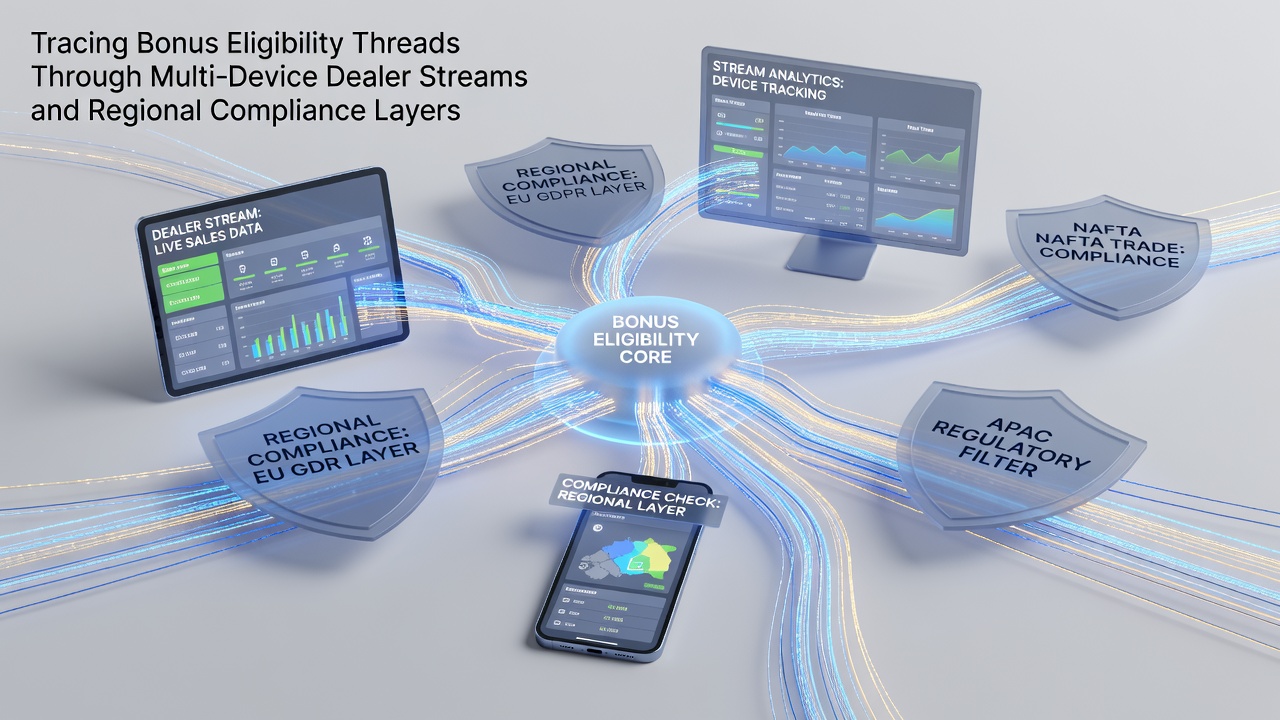
Encryption pathways carry both the dealer video packets and the bonus eligibility metadata in the same stream, which forces developers to keep key rotation schedules synchronized so neither the video nor the bonus flag falls out of sync. Studies published by the International Association of Gaming Regulators note that platforms using AES-256 with rotating session keys report fewer than two eligibility mismatches per million live hands dealt in 2026 testing cycles.
Payment verification layers sit alongside these streams, pulling transaction hashes that must match the bonus trigger before any award posts to the player balance. In practice this means a deposit made on one device appears on another only after the regional compliance node signs off, and the entire process completes inside the same fifteen-second window mentioned earlier. Observers at trade conferences have pointed out that this tight coupling reduces disputes because the bonus record and the transfer record share the same immutable timestamp.
Case Examples from Current Operations
One North American operator documented a week in September 2026 where 18,000 multi-device sessions triggered bonus checks across three different regulatory zones, and the system flagged 312 sessions for additional verification because the player location changed during the session. None of those flags resulted in bonus loss once the second location cleared, which demonstrates how the thread system preserves eligibility rather than resetting it. Similar patterns appear in reports from operators using the same software stack in Canadian provinces, where the compliance node adds an extra age gate without interrupting the dealer stream.
Conclusion
Tracing bonus eligibility through multi-device dealer streams and regional compliance layers relies on synchronized tokens, jurisdiction codes, and parallel microservices that keep live video and bonus status aligned. Figures from regulatory filings and engineering audits show that current architectures handle device switches and location changes inside tight time windows while maintaining stream quality, and further firmware refinements continue to tighten those windows without adding visible delay for players or operators.