Multi-Tier Protections Facilitating Swift Payouts in Mobile Live Casino Platforms
Written by Quinn Lehmann · Oct 20, 2026
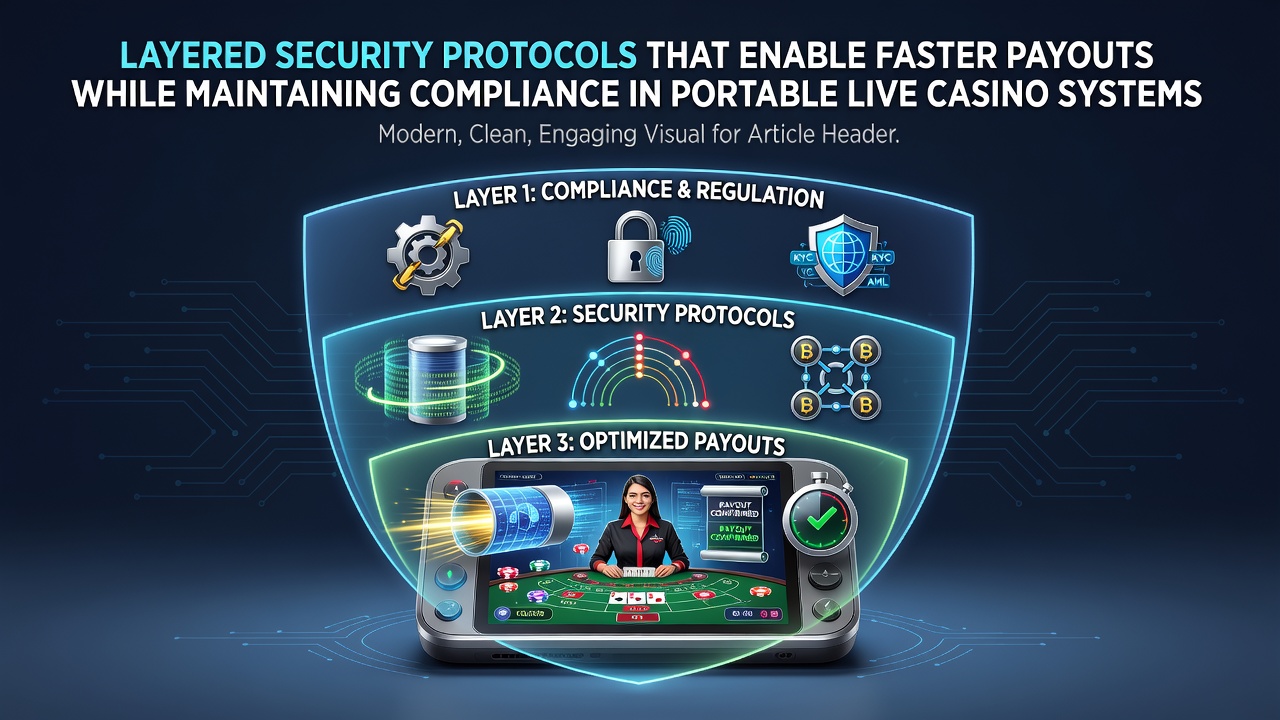
Multi-Tier Protections Facilitating Swift Payouts in Mobile Live Casino Platforms
Portable live casino systems rely on stacked security measures that combine encryption standards, identity verification steps, and regulatory alignment tools to process withdrawals without extended delays, and operators have integrated these layers since early mobile streaming advancements. Data from industry reports indicates that such frameworks allow automated compliance checks to run in parallel with transaction processing rather than in sequence, which reduces hold times while meeting jurisdiction-specific rules across multiple regions.
Core Components of Layered Security Frameworks
Encryption forms the base layer in these systems, where end-to-end protocols protect live dealer streams and payment data simultaneously, while verification modules sit above that to confirm player details through biometric matches and document cross-checks before any payout triggers. Researchers at academic institutions have noted that when these elements operate together, they flag potential issues in real time without pausing the entire flow, and compliance engines then apply region-specific filters drawn from sources like the Nevada Gaming Control Board guidelines.
Additional tiers include behavioral analytics that monitor session patterns during table play, and these tools feed directly into payout queues so that only verified actions reach the final approval stage. Observers note that portable setups benefit particularly from this structure because device-level security updates can sync across networks without requiring full system reboots, which keeps withdrawal rhythms consistent even during peak usage periods in October 2026.
Alignment Between Security Layers and Payout Speed
Operators achieve faster processing when security protocols run concurrent validations instead of sequential ones, and this approach lets encrypted transfer requests move forward once initial identity layers clear. Studies from research institutions show that systems employing this method cut average withdrawal times by integrating stream authentication with payment gateways, whereas older single-layer models often created bottlenecks at each checkpoint.
Compliance maintenance happens through dynamic rule engines that pull updates from regulatory databases automatically, and these engines adjust thresholds for bonus releases or large transfers without manual intervention. One case documented by trade group analyses revealed that mobile platforms using such alignment saw payout completion rates improve because verification data from live sessions transferred directly to financial processors under secure channels.

Regulatory Compliance Integration in Portable Environments
Jurisdictions require ongoing alignment with standards that cover both streaming integrity and financial transfers, and layered protocols address this by embedding audit logs at every tier so that external reviews can access complete records without halting operations. According to figures from the New Jersey Division of Gaming Enforcement, platforms that maintain these logs demonstrate higher compliance scores during audits because data flows remain traceable from dealer feed to payout confirmation.
Portable systems add device-specific checks such as location verification and hardware attestation, which slot into the existing stack and prevent unauthorized access while permitting rapid transaction approvals for eligible users. Industry organizations have documented that this integration supports cross-border play under varying rules, and operators update the compliance layer periodically to reflect changes without affecting live game continuity.
Practical Implementation Examples Across Regions
Systems in European markets have adopted multi-tier models that link player verification directly to encrypted payout rails, and data shows these setups handle higher volumes during evening peaks because automated flags resolve most queries before they reach human review. A report from the Australian Communications and Media Authority highlights similar patterns where layered defenses reduced processing windows for verified accounts while upholding strict anti-money laundering requirements.
North American operators follow comparable patterns, with verification layers syncing to state-specific databases so that mobile withdrawals clear once all checks complete in the background. Those who have studied these implementations observe that the combination of stream encryption and transaction shielding creates pathways where bonus activations trigger only after security confirmation, which maintains regulatory standing without introducing extra delays.
Conclusion
Layered security protocols continue to support faster payout capabilities in portable live casino systems by running checks in coordinated sequences that preserve compliance across diverse regulatory landscapes. Evidence from multiple sources confirms that this structure enables operators to process transactions efficiently while meeting verification and encryption mandates, and ongoing refinements in October 2026 reflect adjustments to new data standards without disrupting mobile play flows.