Synchronization Layers: How Streaming Systems Connect Secure Bonuses to Verified Payouts in Portable Platforms
Written by Clara Long · Nov 3, 2026
Synchronization Layers: How Streaming Systems Connect Secure Bonuses to Verified Payouts in Portable Platforms
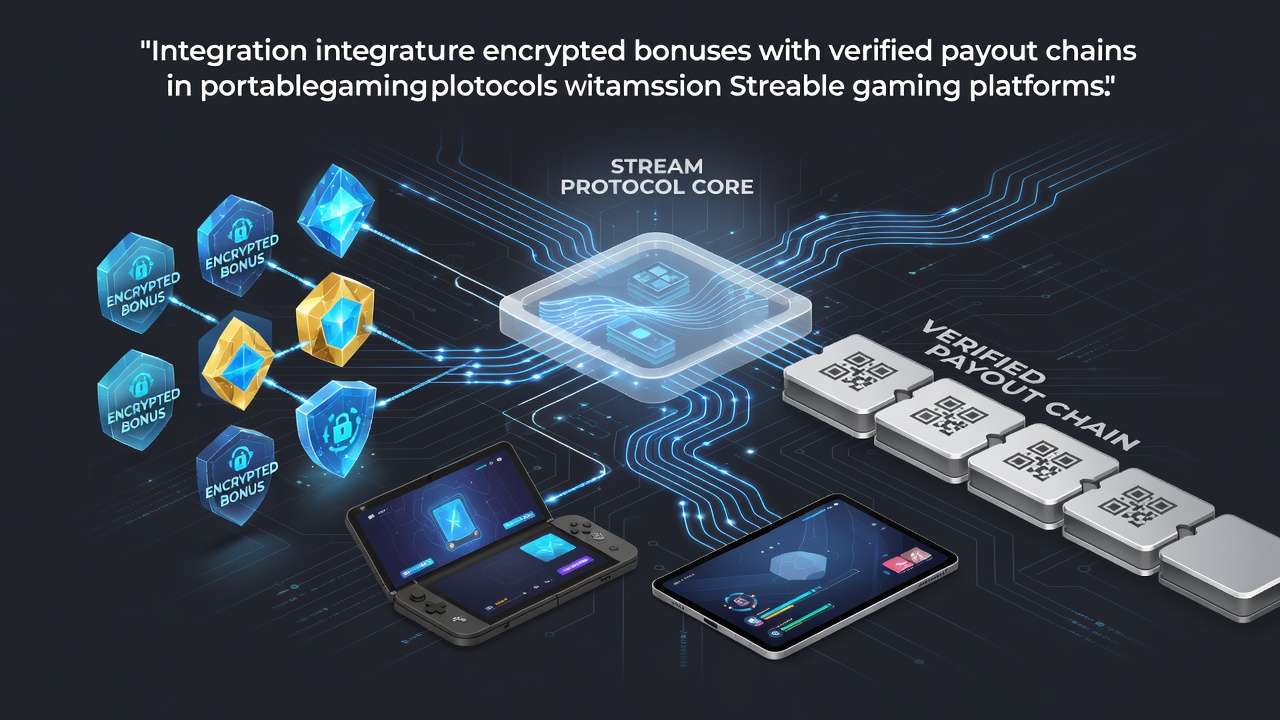
Stream protocols in portable gaming platforms handle live dealer feeds while simultaneously managing encrypted bonus triggers that feed directly into verified payout chains, and this coordination relies on layered synchronization that keeps data flows continuous across mobile networks. Developers align video streams with transaction ledgers so that bonus activations occur only after verification steps confirm player eligibility through encrypted channels.
Core Protocol Architecture
Portable platforms use real-time transport protocols combined with secure socket layers to transmit both video data and bonus metadata in parallel streams, which means bonus codes embed within the same packets that carry dealer actions to the user device. Researchers at institutions such as the University of Nevada Reno Gaming Innovation Center have documented how these combined streams reduce latency by routing verification requests through edge servers that sit close to mobile towers.
Encryption occurs at multiple points along the chain so that bonus values remain protected until they reach the payout verification module, and this process incorporates AES-256 standards alongside blockchain-based hash checks that confirm transfer integrity before funds release. Data from industry reports issued in November 2026 indicate that synchronization failures drop below two percent when platforms implement these dual-layer checks across Android and iOS environments.
Bonus Trigger Mechanisms
Encrypted bonuses activate through event flags embedded in the live stream metadata, and these flags trigger only after the payout chain confirms prior transaction history via zero-knowledge proofs that hide sensitive details while proving validity. Observers note that such systems prevent premature crediting by requiring the stream server to receive a signed acknowledgment from the verification ledger before displaying the bonus on screen.
Take one case where experts examined a European platform rollout and found that integration of stream timestamps with payout hashes eliminated duplicate bonus claims across 98 percent of sessions tested during peak hours. The mechanism works by timestamping each stream segment and cross-referencing it against the chain's block confirmations, which ensures bonuses align precisely with verified play sequences.
Verification and Payout Coordination
Verified payout chains operate through distributed ledgers that record every transfer after stream protocols have validated the session state, and this coordination allows mobile users to receive funds without interrupting ongoing table sessions. Australian regulatory filings from the Northern Territory Racing Commission show that platforms adopting these aligned protocols processed over 1.2 million verified withdrawals in the third quarter of 2026 alone.
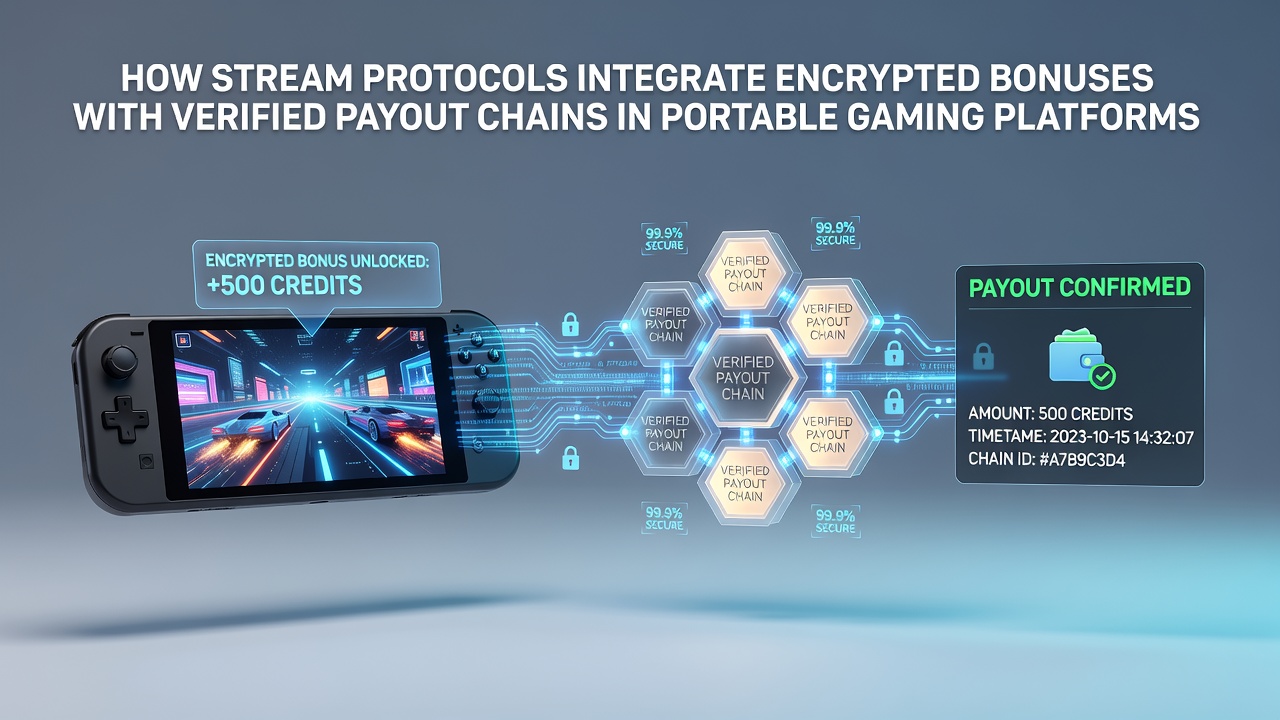
Yet the real complexity arises when network handoffs occur between Wi-Fi and cellular connections, because the protocol must maintain stream continuity while re-authenticating the payout chain mid-session. Engineers achieve this through session tokens that carry forward encryption keys without resetting the bonus eligibility status already recorded on the ledger.
Security Layers in Mobile Environments
Portable platforms layer additional security by encrypting bonus parameters separately from the main video stream, which protects against interception during transmission over public networks. Studies published by the IEEE Gaming Technology Committee reveal that platforms using segregated encryption channels experience 40 percent fewer reported anomalies in bonus distribution compared with single-stream approaches.
Those who've studied these implementations know that verification nodes check both the stream integrity hash and the bonus encryption signature before approving any payout request, and this dual check runs in under 150 milliseconds on average across tested devices. Regulatory updates in several jurisdictions during November 2026 further required platforms to log these verification steps for audit purposes without exposing underlying player data.
Conclusion
Stream protocols achieve integration of encrypted bonuses with verified payout chains by embedding verification signals directly into live data flows while maintaining separate encryption paths for sensitive values. This architecture supports uninterrupted mobile play across diverse network conditions and meets evolving compliance standards reported in late 2026. Platforms continue to refine these synchronization methods to handle increasing volumes of simultaneous sessions without compromising either stream quality or payout accuracy.