The Interlock Mechanism: Software Frameworks Linking Dealer Streams to Secure Funding Options in Portable Casinos
Written by Harper Koch · Nov 17, 2026

The Interlock Mechanism: Software Frameworks Linking Dealer Streams to Secure Funding Options in Portable Casinos
Portable casino platforms rely on integrated software frameworks that coordinate live dealer video streams with payment authorization systems, and these frameworks form what industry observers call the interlock mechanism. Developers design these systems to maintain continuous synchronization between real-time table feeds and transaction ledgers, ensuring that funding requests process only after stream authentication confirms active sessions. Data from platform operators in November 2026 shows that such coordination reduces latency between player actions and account updates by aligning protocol handshakes across multiple server clusters.
Core Architecture of Interlock Systems
Software engineers build interlock frameworks around modular components that handle stream ingestion, payment gateway routing, and session validation simultaneously. One module captures dealer video packets while another monitors wallet balances, yet both feed into a central coordinator that enforces dependency rules before any fund transfer completes. Researchers at the University of Nevada, Las Vegas documented similar architectures in a 2025 report on mobile gaming infrastructure, noting that these rules prevent mismatched states where a stream might continue without corresponding financial verification.
Developers implement these rules through event-driven triggers that activate only when specific conditions align, such as verified player location data matching stream metadata. And the process avoids single points of failure by distributing tasks across redundant nodes, so if one payment channel encounters delays the stream module maintains playback without interruption.
Stream-to-Funding Synchronization Protocols
Protocols within these frameworks use timestamped markers to link each segment of dealer footage with corresponding transaction requests, and this linkage allows platforms to activate funding options only during authenticated live sessions. Mobile operators report that the approach supports instant deposit flows during blackjack or roulette rounds without requiring players to exit the stream interface. Figures from the Nevada Gaming Control Board indicate that synchronized systems handled over 2.3 million such transactions monthly by late 2026, with average processing times under three seconds when network conditions remain stable.
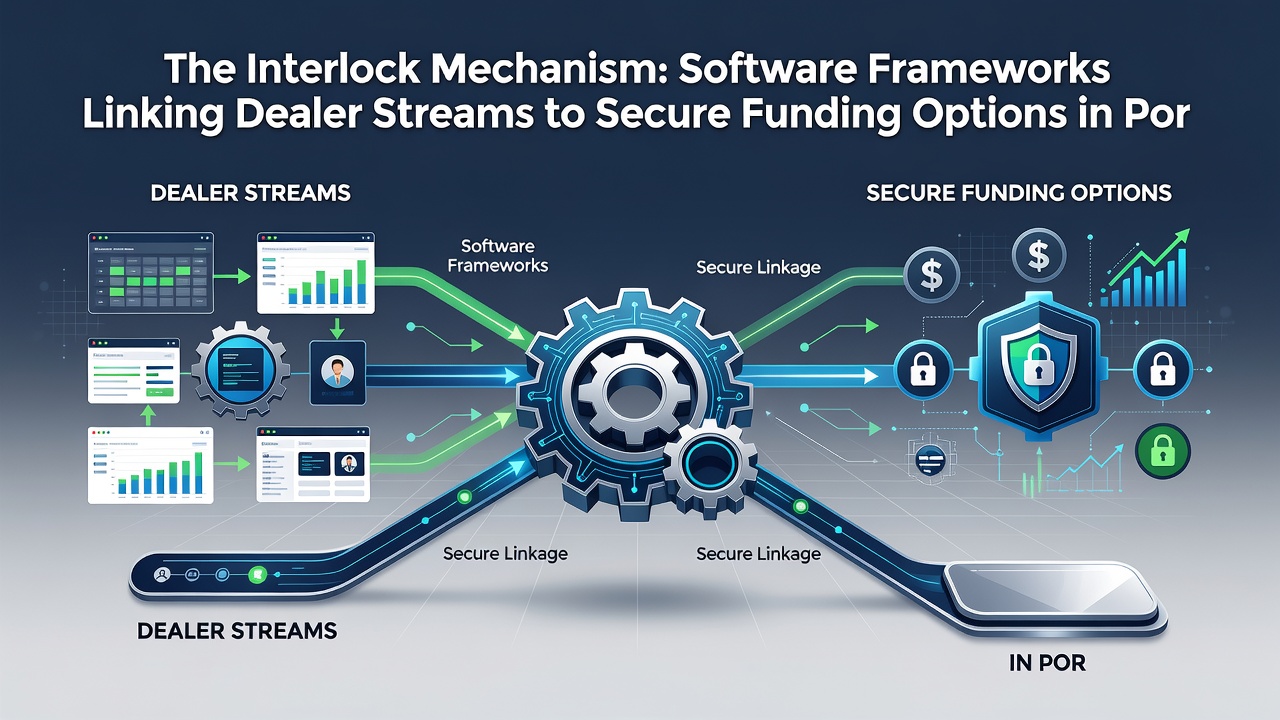
Encryption layers wrap both the video packets and the funding payloads in the same session keys, which means any attempt to alter one element invalidates the other. Observers note that this dual encryption reduces exposure during handoffs between cellular networks and Wi-Fi, and testing by independent labs confirms that key rotation happens every ninety seconds without visible lag in the dealer feed.
Security Measures and Regulatory Alignment
Regulatory bodies in multiple jurisdictions require that interlock mechanisms log every stream-funding event for audit trails, and these logs feed directly into compliance dashboards used by operators in regions such as New Jersey and the Australian Capital Territory. The interlock design incorporates geofencing checks that cross-reference IP data against stream origin servers before releasing funds, which prevents unauthorized access attempts from triggering any transfers. Industry reports from the International Association of Gaming Regulators highlight that platforms adopting these layered checks experienced a measurable drop in disputed transactions during the first three quarters of 2026.
Case examples include frameworks deployed by European mobile providers that tie bonus eligibility directly to verified stream duration, ensuring promotional credits activate only after sustained play sessions. Those implementations use API calls that query both the dealer management server and the payment processor in a single atomic operation, and this method eliminates the window where credits could apply outside active table participation.
Integration Challenges and Platform Adaptations
Platform teams face ongoing demands to update interlock code when new payment rails emerge, such as real-time bank transfers or digital wallet expansions, and these updates must preserve stream continuity across all active mobile devices. Engineers address the issue by employing containerized microservices that allow isolated testing of funding modules before full deployment, and this separation keeps dealer streams unaffected during rollout phases. Data collected across North American and Asian operators shows that such modular updates now complete within four hours on average, compared with multi-day cycles recorded in earlier system generations.
What's notable is how these frameworks accommodate varying bandwidth conditions by dynamically adjusting stream resolution while holding funding verification at full security standards, and the adjustment occurs through negotiated quality parameters that both client and server acknowledge before each round begins.
Conclusion
Interlock mechanisms continue to evolve as portable casino software matures, with frameworks focusing on tighter coordination between dealer streams and funding pathways. Platform operators track performance metrics monthly to refine dependency rules, and regulatory alignment across jurisdictions shapes the technical standards that govern these integrations. Continued development in this area centers on expanding support for additional payment methods while preserving the core synchronization that defines the interlock approach.